

How to lose weight without compromising performance
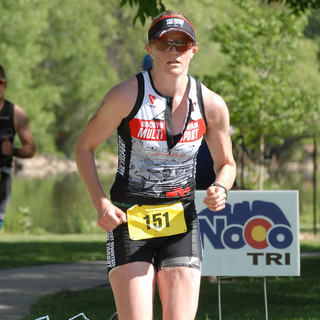

For many endurance athletes the holidays fall during the off-season which means it is a time to relax and enjoy family and friends. Some athletes may take the holiday season off but it is more common to reduce the timing and intensity of workouts. This means that less calories are being burnt each day. A decreased calorie burn in combination with an increased consumption of delicious holiday food is a recipe for weight gain. This leaves many athletes trying to lose the weight after the holiday season. With spring marathons and triathlons only months away this is also the time of year to start base training. Base training involves building endurance which can often mean longer low intensity workouts. Although the intensity is reduced, long runs or rides lasting 2 or more hours means a significant calorie burn. So it is reasonable to assume a reduction of calorie intake in combination with this increased calorie burn will create weight loss and thus improved performance during the season. Wrong! Well, at least partially wrong because it is more complicated than that. Eating too few calories can actually compromise your performance later in the season. Why? The short answer is that if you don’t fuel your body right you might end up breaking down protein stores (i.e. muslce mass) to fuel your exercise. So what can you do to ensure you lose weight from fat stores and not muscle? Here are some suggestions:
1) Your calorie deficit should be no more than 500 calories. In other words if you were to take the calories you burn during the day including exercise minus the calories you eat it should be equal to no more than a 500 calorie deficit. This is not an exact science and it is impossible to estimate exact intake and burn. You can calculate an estimate of how many calories you burn on a daily basis using a calculation (read previous blog entry about energy needs of athletes) and add calories burnt during exercise (calculators can be found on the web or use a heart rate monitor). I don’t recommend counting calories, but you can estimate how much you are eating by using an online calorie count program and tracking it that way (which is probably the easiest way). Check your weight on a scale once or twice a week at the same time of day (once a week is sufficient) and make sure you are not losing any more than 1-2 pounds a week. Any more than this and you are probably losing muscle mass.
2) Eat enough protein. To calculate how much protein you need take your body weight and divide your weight by 2.2 to get your weight in kilograms. Multiply this number by 1.2-1.5 (1.5 if you are training more than 2-3 hours per day). This is how many grams of protein you should eat per day to ensure you do not compromise lean body mass. This may seem like a lot of protein, but you want the weight loss to come from fat stores, not muscle.
3) Timing of meals is important. To preserve lean body mass it is also important to eat frequently throughout the day. Another important thing to keep in mind is what you eat before and after your training sessions. Don’t skimp when it comes to fueling before, during, and after your workouts. Always make sure you eat a carbohydrate rich meal or snack at least 2-3 hours before the workout and eat something with carbs immediately after the workout followed by a high protein meal within 1-2 hours post workout. Even better, try to get carbs and protein within 30 minutes after a workout. Chocolate milk is a good example of this. If you are doing a workout that lasts 90 minutes or longer make sure you get around 40-60 grams of carbohydrates per hour of exercise. Otherwise you are burning valuable muscle to fuel your workout. The remainder of the day eat frequent, small meals that contain protein to help slow digestion and decrease spikes in blood sugar, which will help you feel satisfied as well as help preserve your muscle.
3) volumetrics. Picture a plate with a quarter pound cheese burger on a white bun with a heaping side of french fries. Sounds pretty good right? That meal will cost you about 1000 kcal (or more). Now a plain hamburger on a bun and a heaping side of steamed veggies is less than 500 kcal. The same amount of food is on each plate but one meal is half the amount of calories as the other. This is the concept of volumetrics. Fill your plate with nutrient dense, low-calorie foods and you are less likely to feel deprived. I always aim to choose 4-6 ounces of lean meat, a whole grain carbohydrate equaling approximately 1/4 of the plate and I fill the remainder of my plate with non-starchy veggies. And if I absolutely can’t go without the french fries? There are usually friends willing to let me have a few of theirs.
4) Allow yourself a “cheat” meal. Once a week allow yourself to eat something you are craving and don’t worry about calories. This could be pizza or ice cream, or whatever your heart desires. This helps you feel satisfied and prevents the feeling of deprivation which could lead to unhealthy eating behavior later.
Once the season has begun and your workouts start increasing in intensity it is no longer a good time to focus on weight loss. Continue with some of the concepts listed above such as increasing meal frequency, but during the season it is more important to focus on fueling for races and workouts.

Comments