

Recovery: The Missing Piece of Your Training Plan
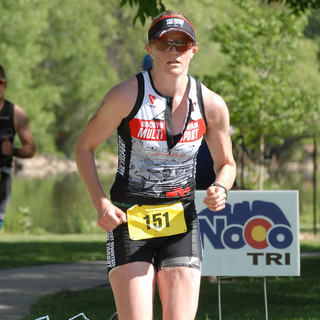

Recovery is arguably the most important part of training. Many athletes mistakenly think that in order to improve and gain fitness or strength, they must put in hard work. Of course, you can't improve fitness without something to recover from. So the training and hard work are important, but if you are not able to recover from that hard work, you will not improve. It is all about what you do in between the hard sessions that matters. The actual improvements we make are not happening during the workouts. The recovery happens in the kitchen and while you are sleeping in bed.
There are many variables that can either help or hinder your recovery. Training variables that influence recovery include several critical components such as training volume, intensity, density, and frequency. Each of these elements plays a significant role in how effectively an athlete can recover from their training sessions, ultimately impacting their performance and overall progress.
Lifestyle variables that influence recovery are equally important and encompass various factors such as daily physical tasks (think work or kids), sleep deprivation, toxin exposure, and stress. These lifestyle elements can either enhance or hinder the body's ability to recover, making it essential to consider them alongside training variables for a holistic approach to recovery. So if you are doing a hard session in the gym and then going off to a stressful job, you are not going to recover as well. It is just a fact and is why many of us are not capable of training like professional athletes.
Training volume refers to the total amount of physical work done in a training program. This can be quantified in terms of distances covered, such as miles run or the time spent training, as well as the number of repetitions and sets performed in the gym. Higher training volumes can lead to greater adaptations and improvements in performance, but they also require careful management to ensure that recovery is prioritized. Athletes must be mindful of their training volume to avoid overtraining, which can lead to burnout and injuries.

Glycogen depletion is another crucial factor to consider. As an athlete increases the volume of training, they will also utilize greater amounts of glycogen stored in the muscles and liver. When we deplete our glycogen stores, we may find ourselves unable to perform at the necessary levels during subsequent workouts. This depletion can lead to fatigue, decreased performance, and a longer recovery time. Therefore, it is vital for athletes to monitor their nutrition and carbohydrate intake to replenish glycogen stores effectively, ensuring they are prepared for future training sessions.
Intensity is another key variable that greatly impacts recovery. Essentially, the greater the intensity of the workout, the more fatigue a person will accumulate. It is crucial to strike a balance between high-intensity training and easier, recovery-focused sessions. High-intensity workouts can lead to significant structural damage within the muscles, which, while necessary for adaptation and growth, also necessitates adequate recovery time. Fatigue, which is often a result of high-intensity training, can lead to structural damage or injury if not managed properly.
Muscle breakdown and damage are more closely related to the intensity of the workouts. The more damage incurred to the muscle tissue, the greater the recovery needed. When muscles are subjected to intense workouts, microscopic tears occur (microscopic structural strain to the sarcomeres and surrounding cellular membranes), which is a natural part of the muscle-building process. However, this damage requires time and proper nutrition to heal. If we do not allow the body enough time to recover and repair, this can lead to more significant muscle damage and may result in injury.
Athletes must pay attention to signs of overtraining and ensure they allow their bodies the necessary time to recover, incorporating rest days and active recovery strategies into their training plans. Early signs of overtraining can be subtle, such as increased fatigue that does not go away with a good night's sleep, lingering soreness, or an increase in resting heart rate that does not improve after a day or two of easy training.
Many athletes overthink recovery. I blame this on the supplement and sports gadget industry. It is hard to ignore the plethora of ads targeting athletes of all abilities for the latest and greatest recovery tool or supplement. Many athletes are misled into thinking that they need to purchase these supplements or gadgets in order to recover from their training. The truth is that many of these supplements and tools are not all that effective. They are actually not effective at all if an athlete is using them while simultaneously forgetting the very foundations of good recovery. There is no way to cheat a bad diet or a poor night of sleep. No supplement or recovery gadget or cold plunge is going to help you if you can't get the basics first.
So let's start with the foundation or basics to great recovery. I think of these like the base of a pyramid or the foundation in a house. All of the training and other recovery tools and fancy gadgets are things you do on top of a very sturdy foundation. If you try to build the house on top of a faulty foundation, your house will not stand for very long. The basics for recovery include:
An appropriate training plan that balances your intensity with recovery and ensures you do not increase volume too quickly or in such a way that disrupts the balance between the work you do and your ability to recover. There may be times when you strategically add slightly more volume or intensity to achieve a level of functional overreaching. This is a temporary state in which the training balance of intensity and recovery is not equal, and an athlete is carrying more fatigue. This is a very tightrope to walk and must be temporary and followed by an increased state of recovery to allow the athlete to achieve super-compensation. If done correctly, it can be a good tool. If not done correctly, it can actually cause a decrease in performance or injury.
Stress management is key to recovery. The goal is not to have any stress, but we have to consider stress outside of our training plan. Stress includes daily physical tasks (work, household chores, taking care of children, etc.), stress from the workouts/exercise itself, and daily life stress (work stress or traffic on the way to work, etc.). Someone who is experiencing more stress from outside factors like work or life will not be able to handle the same volume of training as someone who has less lifestyle stress and other demands. This is so important because many athletes don’t consider how these outside variables are impacting their ability to train and recover. For stress, I like to use a bucket as an analogy. Think of your ability to manage stress like a bucket. The stressful tasks we have during the day fill the bucket, and things like good sleep, stress reduction strategies, and rest help empty the bucket. If you fill your bucket too full with stress, it starts to overflow. It is when your bucket is starting to overflow that you run into problems.
Getting a good night of sleep is absolutely critical for recovery. If an athlete is not sleeping well, they can basically throw any other recovery tools into the trash. Optimizing sleep should be a huge priority for athletes. Sleep is when the majority of the recovery happens, including tissue or muscle repair, hormone regulation (anabolism vs. catabolism), memory consolidation, immune function, and so much more. If you think you can get away with less sleep, chances are you are fooling yourself. Most athletes need at least 7-8 hours of sleep in order to recover.
Nutrition and proper fueling are going to be critical. If an athlete is under-fueling, they will more quickly run out of glycogen. An under-fueled athlete does not have the building blocks for repairing the body, and without the ability to repair and recover, the foundation will start to crumble. As mentioned above, once glycogen is depleted, this is very stressful to the body, and it can inhibit the ability to optimize training and to recover. Carbohydrates and refilling glycogen stores are important, but protein is also critical for muscle repair, and we need many micronutrients for the building of bone and for our body to function properly.
Rehydrating and replenishing electrolytes is something many athletes don’t think enough about. Many athletes are chronically dehydrated. Dehydration is stressful on the body because our body is made up of mostly water, and there are so many body functions that rely on water to work properly. Body weight loss due to dehydration of 2% can lead to a decrease in performance. So staying well hydrated should be a good goal, and replenishing electrolytes lost through sweat can help improve hydration and ensure we are maintaining good fluid balance within our cells.

Many athletes are overachievers and want to follow a training plan or scheduled volume to a T and have a really hard time changing the plan when they are not feeling great. However, it is so important to listen to your body to be able to notice the signs of overreaching. What is overreaching? Overreaching is when we have exceeded our ability to recover or we are working harder than we are able to recover. When we go past functional overreaching and into a true non-functional overreach, it can take days or weeks to recover, so it is important to listen to the body.
Here are some signs that you need to recover:
You wake up in the morning more than 1-2 days in a row feeling fatigued or more tired than usual.
Muscle soreness that is significant and is preventing you from moving in a way that is natural and is not alleviated by doing a warm-up or stretching.
Altered heart rate, such as an abnormally elevated resting heart rate for a few days, and it is not improving. Another sign to consider might be an abnormally high or low heart rate during training. If you are doing a hard workout but failing to get the heart rate to rise, it can actually be a sign your body needs some recovery.
Loss of appetite. There can be many reasons why appetite might be lower. For example, low appetite is common during heat training. However, if low appetite persists beyond a day or two, this can be a sign that recovery needs are not being met.
Injury is generally a sign that you are doing more work than your body can recover from, or there is some sort of imbalance or alteration of stride or technique as a result of poor recovery or going too hard.
Mood imbalances or feeling down or low or not motivated to train. Of course, we all have days like this where we just don’t feel like training or we are a little sad. However, if mood swings persist or an athlete is consistently feeling unmotivated, this could possibly be a sign of overreaching. It is important to untangle this from general burnout, so I often ask athletes about both the training and their life stress. Sometimes this can be more related to an increase in life stress and not having enough rest or downtime.
Decrease in performance. We all have days in which we don’t perform well or we don’t nail a workout. It happens and does not necessarily mean you are under-recovered. If performance is starting to suffer after a few workouts in a row, this is going to be something to consider, and you may want to throw in an additional recovery day.
Poor sleep, sleepless nights, or insomnia are a big warning sign, especially if the athlete does not usually suffer from sleep issues. If an athlete is complaining about poor sleep and waking up several times a night and this is happening more often, this could be a sign of poor recovery.
Getting sick or having frequent illnesses. Of course, we all get sick from time to time, and it may not be related to training, but if someone is getting sick more often or failing to recover from an illness, this may be a sign of inadequate recovery.
Other things that an athlete could measure: This includes metrics such as heart rate (mentioned above), HRV - heart rate variability, weight (unintentional weight loss), calorie intake (do a few days of logging to see if you are eating enough), and sleep metrics (such as on a Garmin or Whoop to measure sleep quality).
So now let’s assume you have an appropriate training plan and you have met all the basics. Now you are looking to gain an edge with recovery. What are some additional strategies/tools to consider to help enhance recovery? Keep in mind most of these tools may only get you another 1-2% improvement. They are not game changers nor should they be used as a replacement for the basics discussed above.
Here are some tools to consider:
Active recovery- This is not another workout! This is a very gentle movement that can help facilitate recovery and increase blood flow to help the body process metabolic byproducts that accumulate after a harder workout. This may include something like a short walk in zone 1, a very easy pool swim, or even some mobility or band exercises. This can be done on a rest day or after a hard workout. My general rule of thumb is that it should not exceed 30 minutes.
Manual therapy techniques- This includes massage, thera-gun or similar devices, foam roller, glider, lacrosse ball, etc. The theory here is that these techniques can help improve blood flow, similar to active recovery. They can help relieve muscle tension and promote relaxation. The actual mechanism for how manual therapy works might be debated, and there is some debate as to whether this actually works. What most athletes will say is that they feel better after a massage or using their percussion tool. So even if the evidence is not always clear, I think it is important to do what feels good as long as you don't overdo it.
Heat therapy (sauna or hot tub)- There can be benefits related to heat training or adaptation to heat, but for recovery, it is a bit limited. The biggest thing here is likely the relaxation and stress reduction benefits of sitting in a hot tub. I suggest caution here as it may feel like a stress relief, but spending too much time in the hot tub and sauna can actually be more stressful on the body and reduce recovery.
Cold therapy (ice baths or icing)- This can be a really good option for an athlete trying to do two hard training sessions in a day or back to back. The cold therapy can temporarily reduce inflammation and soreness as it restricts blood flow. It is not a great long-term strategy for recovery for this same reason, as the blood flow restriction may reduce the body's ability to process the metabolic byproducts of a hard workout and supply necessary nutrients for recovery. Some people feel great after cold therapy, which may have some potential to boost mood and maybe improve relaxation. So it might be a good tool for this purpose. If you want to use the cold plunge daily, I suggest shorter bouts of around 2-5 minutes.
Mental techniques-
Considering a proper ramp down from training- So many athletes finish the workout and get right into the shower and on with their daily tasks. I suggest it is better not to go right into work after training. Allow some gentle movement, deep breathing, or doing something relaxing or stretching after a strenuous workout. This is meant to allow the body to go from a sympathetic to a parasympathetic state, which can help start the recovery process a bit faster.
Meditation or mindfulness techniques are so important when it comes to life stress. I highly recommend at least practicing mindfulness during the day. Take time out to do some deep breathing or spend some time in nature. Anything we can do to de-stress from our busy lives can help improve recovery. This can also include muscle relaxation or breathing techniques. There are so many different techniques and apps available for meditation and mindfulness, but just starting by taking a break to walk outside in nature might be a good start.
Compression therapy- Compression tights or boots are worn to help enhance blood flow. Unfortunately, there really is not much evidence that using compression tights or the recovery compression boots after training is helpful for recovery. It might help improve blood flow and help reduce any edema or fluid retention that might occur after hard training. It can also help reduce muscle soreness. Again, if it feels good and you feel better after using it, go ahead and do it! I just don't think I would spend money on the fancy compression boots. Instead, I might spend my money on a better mattress or something that helps me improve my sleep.
Hydrotherapy- This includes spending time in the water after a hard workout. It works similarly to compression therapy as the water pressure can help improve blood flow to the muscle. It can also feel really good to get in the pool or hot tub after a hard workout.

So what about all of those fancy supplements that we hear about for recovery? Do they really work? As I have already mentioned, eating a proper diet and getting enough carbs and protein, etc., is going to be foundational to recovery. No supplement is going to help you if you don’t eat enough to promote recovery. Don't be fooled into thinking otherwise. Many supplement companies just want your money and hope that you won't notice that the fancy supplement they just sold you does absolutely nothing to help you. So, what if you do have a great diet and you make sure you are eating enough of the right nutrients at the right time, is there anything that might help? Here are a few that I think are worth mentioning:
Curcumin/turmeric- The active compound in the spice, turmeric, is called curcumin. This has some anti-inflammatory and pain-relieving benefits. I do not recommend taking any antioxidant supplement within at least 2 hours after training. This is because when we train, there is a natural increase in inflammation. This is a normal thing and helps us adapt from training. Instead, I recommend taking this supplement later in the day when you want to reduce inflammation or soreness naturally without taking an NSAID or other pain-lowering medication that might have side effects. I will sometimes take a curcumin supplement before bed if I am feeling sore just to help me so I can feel a little less pain to sleep. I just take a 500 mg curcumin supplement, but some people recommend larger doses for the full benefit. If you have liver issues, bleeding issues, or gallbladder issues, you may want to chat with your doctor before taking this supplement.
Tart cherry juice- This is another example of an antioxidant, so I do not recommend taking it immediately after a hard effort. It is a great option to take in the evening to help with muscle soreness, and it can help with sleep. Tart cherries naturally contain melatonin and tryptophan, which can help improve sleep. I like making a tart cherry drink with lime seltzer and a little bit of lime electrolyte mix powder. It tastes great and is a great replacement for alcohol. Alcohol is very detrimental to recovery, so finding some fun and possibly beneficial alternatives is always a win-win.
Amino acid/protein supplements- Ideally, we would be getting all of the protein we need through diet, but the reality is that for many of us, that can be hard. I recommend a protein supplement such as a bar or powder that has about 20 grams of protein at least and has all 9 essential amino acids. A huge bonus is that the supplement contains around 3 grams of leucine. This amino acid helps trigger muscle protein synthesis, which can help us repair and rebuild muscle tissue. My rule of thumb is to only use these protein supplements once a day or on busy days and try to eat most of your protein from food-based sources, which will also contain many other nutrients necessary for good health.
Creatine- Creatine is one of the most studied supplements in the world. We have so much information on creatine that I feel safe recommending it for most people. There are benefits for muscle strength and power. When it comes to recovery, there may be some benefits as well. It may help lower markers for inflammation and muscle damage after hard workouts, but it is not clear if this has a direct impact on improved recovery. When creatine is taken with carbs and protein, it can help restore muscle glycogen slightly faster. It can also help hydrate by pulling water into the muscle cells. I generally recommend about 5 grams per day, although this may differ based on body weight and goals.
Omega-3 fats (fish oil)- This is another supplement that has benefits beyond recovery, especially for people who are not consuming the recommended 2 or more servings of fatty fish each week. Omega-3 fats are also considered anti-inflammatory, so avoid taking them immediately after a workout. Taking them later in the day might have the most benefit as they can decrease soreness. They have not been shown to have a direct improvement in strength or athletic performance, so whether they actually aid in recovery is not known. There are so many other reasons to take omega-3 fats (they are an essential fat for the body), so I recommend them anyway. I take a 1 gram dose, and you can take up to 3 grams (ideally a good ratio of both the DHA and EPA). They can have a blood-thinning effect, so this is a very important consideration if you are prone to bleeding or are taking any blood-thinning medications.
Magnesium- Magnesium is a key nutrient for over 300 metabolic and enzymatic reactions, so it is very important. It may not have a noticeable or direct impact on recovery, but if you are deficient or insufficient in this nutrient, it may reduce your performance. It can also aid in sleep if taken before bed. There are several forms of magnesium, and many of them have benefits. I like magnesium citrate or glycinate. Some people tout the benefit of magnesium L-threonate for sleep, and there is some research to back this up as it may be able to cross the blood-brain barrier. This is a more expensive form, so if budget is an issue, maybe just stick to the other forms and you will still get the benefit.
Micronutrients- Zinc, vitamin C, vitamin D, or just take a good quality multivitamin. I consider a multivitamin with minerals a good insurance policy. If you happen to not be getting enough of any key nutrient, it can cover you. It is not to be a replacement for a healthy diet. Consider testing for nutrient deficiencies such as an iron panel if you suspect there may be something causing fatigue. Low iron is a very common issue with endurance athletes, and it can often show up as fatigue and poor performance, leaving an athlete feeling like they are not recovering well.

Beyond this list, there really is nothing that is going to help with recovery, or there is no magic recovery proprietary blend. In fact, if you see a supplement list a proprietary blend, just avoid it altogether. Some supplements may help with sleep, which in turn may help in recovery. I listed most of them above. I personally take magnesium (about 100-300 mg/night), sometimes L-theanine if I am a little stressed and worried about sleep, and sometimes the tart cherry juice. I suggest testing it out and really trying to pay attention to whether it is actually making a difference. If you have a fancy watch or sleep tracker, maybe try a supplement routine for a week and see if you notice any difference in sleep both subjectively and with the sleep data. If there is no difference, it is very probable that there is no benefit for you.
We focused on a lot of things that improve recovery, and I briefly mentioned things that reduce your ability to recover. I want to end on a note to reiterate that there is no way to recover properly if you perpetually eat a bad diet or sleep poorly. Another thing that is worth mentioning is that alcohol is really bad for recovery. There really is no safe amount to drink and recover adequately. Sure, you can probably get away with one drink or a beer, and it may help you feel more relaxed. If you have any sleep data or wearables, look closely at the numbers when you do drink. I guarantee your sleep scores and HRV will not be great. You may feel okay, but the numbers will tell you a different story. I personally drink alcohol very rarely and save it for nights in which I do not have a hard workout the next day. I always notice that it impacts my sleep negatively, even after 1 drink. So if your goal is to improve performance, and you are regularly drinking alcohol, this is likely slowing down your recovery significantly. Again, there are no fancy gadgets or tools or supplements that can mask the effects of alcohol.
On a final note, I do think this is encouraging because you don't need to spend a bunch of money on fancy recovery tools. You just need to eat, sleep, find time to relax, and maybe do a little stretching, and the body will take care of it for you.
I did a full podcast on recovery: click on image below ot check in out!


Comments