

What goes in must come out? the concept of energy balance
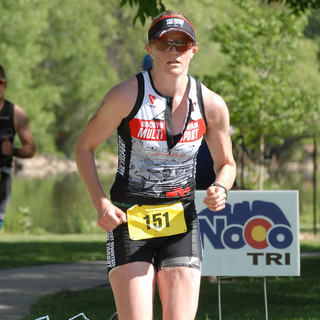
Energy balance:
Energy balance is an obvious but delicate equation. If a person is eating 100 calories more each day than they burn then they have a potential to gain ten pounds in a year. The opposite is true for consuming 100 calories less per day. Many endurance athletes especially triathletes who are extremely active can burn sometimes thousands of calories a day in addition to their basal metabolic rate (what is burned in a day just to stay alive). During a heavy training day a male triathlete training for the ironman could burn 5,000 or more calories a day. Someone competing in the famous ironman triathlon in Kona burns between 8,000 and 10,000. As compared to the average sedentary person who may need between 1,500 and 2,500 to survive, 8,000 calories is an extraordinary amount. http://www.ironmate.co.uk/ironman-calorie-expenditure.htm Many athletes are not training for the ironman or competing in one. Athletes training for a such a competition could be training 15-30 hours a week. For those of us who train every day but it may only be an hour run or a 30 minute swim the energy requirements are different. In this case only 500-1000 extra calories a day may be needed in order to maintain weight. There are some equations that can give you a better idea of how much energy is needed during training. This information is taken from the ADA position paper referenced in my previous posting. The dietary reference intake is as follows: Adult Man 662-9.53 (age in years)+PA[15.91(weight in kilograms)+539.6(height in meters)] Adult Woman 354-6.91(age in years)+ PA[9.36(weight in kilograms)+726(height in meters)] PA levels 1.0-1.39 Sedentary, typical daily living activities 1.4-1.59 Low active, typical daily activities plus 30-60 minutes of daily moderate activity such as walking 1.6-1.89 Active, typical daily living activities plus 60 minutes of moderate activity 1.9-2.5 Very active, typical daily living activities plus at least 60 minutes of daily moderate activity plus an additional 60 minutes of vigorous activity or 120 minutes of moderate activity.
In addition to the above equations the ADA, Dietitians of Canada and the American College of Sports Medicine state that athletes need to consume enough energy to maintain appropriate weight and body composition while training for a sport. For all the female athletes out there please use caution. Although it may seem like a good idea to be lean for your sport and you try to cut calories to do so, if you continue to have a low energy intake (1,800-2,000) your performance may suffer. In addition to negative performance outcomes due to lack of sufficient energy there is the major concern that negative energy balance could disrupt the hormones associated with the menstrual cycle. This in turn leads to low calcium absorption and decreases in bone mineral density which could cause premature osteoporosis and stress fractures. Negative energy balance in athletes causes the fat and lean tissue to be used for fuel. Loss in lean tissue equals a loss in strength and endurance. Other problems associated with negative energy balance include compromised immune system, endocrine (hormone) function, and musculoskeletal function (with loss of lean tissue). Also if inadequate energy is consumed than many important micro nutrients (think vitamins and minerals) are not being consumed and therefore deficiencies result. A good example here could be iron and anemia due to iron deficiency. Without iron oxygen can not bind to red blood cells and be carried to muscles which need oxygen to burn carbohydrate to fuel your workout. This could have a severe impact on performance, not to mention feeling tired all the time (I know from personal experience). The moral of the story is try to maintain a healthy weight while training, otherwise your performance might suffer.
If you are looking to lose weight it is important to focus on losing weight during the off-season or very carefully during base training, never during a season. My next blog entry will offer some tips for healthy weight loss.

Comments